05 / PORT INDUSTRY APPLICATION
Stage the cargo.
Control every interface.
Terminal handling brings together cargo, vehicles, vessels, exposed surfaces and intensive traffic. Define the exact role of the forklift within the wider loading plan before comparing capacity.

01 / OPERATING FLOW
Follow the load.
Find the real constraint.
Break the application into four connected stages. The most demanding stage should guide the first shortlist.
Cargo receipt
Record packaging, lifting pockets, centre of gravity and inspection status.
Staging lane
Measure travel distance, lane width, surface, traffic controls and waiting time.
Transfer point
Check trailer or platform height, approach, visibility and load handover.
Dispatch plan
Coordinate shift windows, weather limits, documentation and equipment readiness.
02 / APPLICATION CHECKS
Four details
to verify early.
These checks turn a broad industry label into a site-specific equipment brief.
Cargo envelope
Share weight, dimensions, centre of gravity and approved engagement method.
Exposure
Discuss salt air, rain, wind, temperature and the cleaning and corrosion-control plan.
Traffic intensity
Quantify travel, queues, crossings and actual operating hours during peaks.
Visibility
Review load height, lighting, cameras or aids and the site traffic-management plan.
03 / EQUIPMENT DIRECTIONS
Build a shortlist
around the task.
These series are starting points, not automatic recommendations. Confirm the actual model and configuration against your load and route.
E Series
Electric counterbalance direction for suitable terminal and warehouse routes.
D Series
Relevant outdoor cargo movement where diesel operation is appropriate.
RT Series
Assessed rough-surface support routes outside standard paved lanes.
04 / PREPARE YOUR ENQUIRY
Six facts.
A faster first answer.
Send measurements, photos or a simple route drawing where useful. ZJ can then discuss a narrower equipment direction and the points that still need confirmation.
Send this application- cargo drawing, weight and centre of gravity
- route and staging dimensions
- surface and gradients
- weather exposure
- shift intensity and charging or fuel plan
- destination, documents and quantity
05 / PRACTICAL ANSWERS
Questions from
this application.
Can a forklift handle export crates at a terminal?
It may, when the cargo weight, centre of gravity, fork entry, dimensions, lift height and route are within the confirmed configuration and site operating plan.
What changes in a salt-air environment?
Corrosion exposure, cleaning, electrical protection, inspection frequency and storage conditions should be discussed for the exact equipment configuration.
How should terminal duty cycle be described?
Share travel distance, lifts per hour, queue time, shifts, peak windows, gradients and energy or fuel availability.
What cargo information is essential?
Provide a drawing or clear photos with verified weight, dimensions, centre of gravity, lifting pockets, packaging and pickup and placement heights.
06 / RELATED INDUSTRIES
View all applications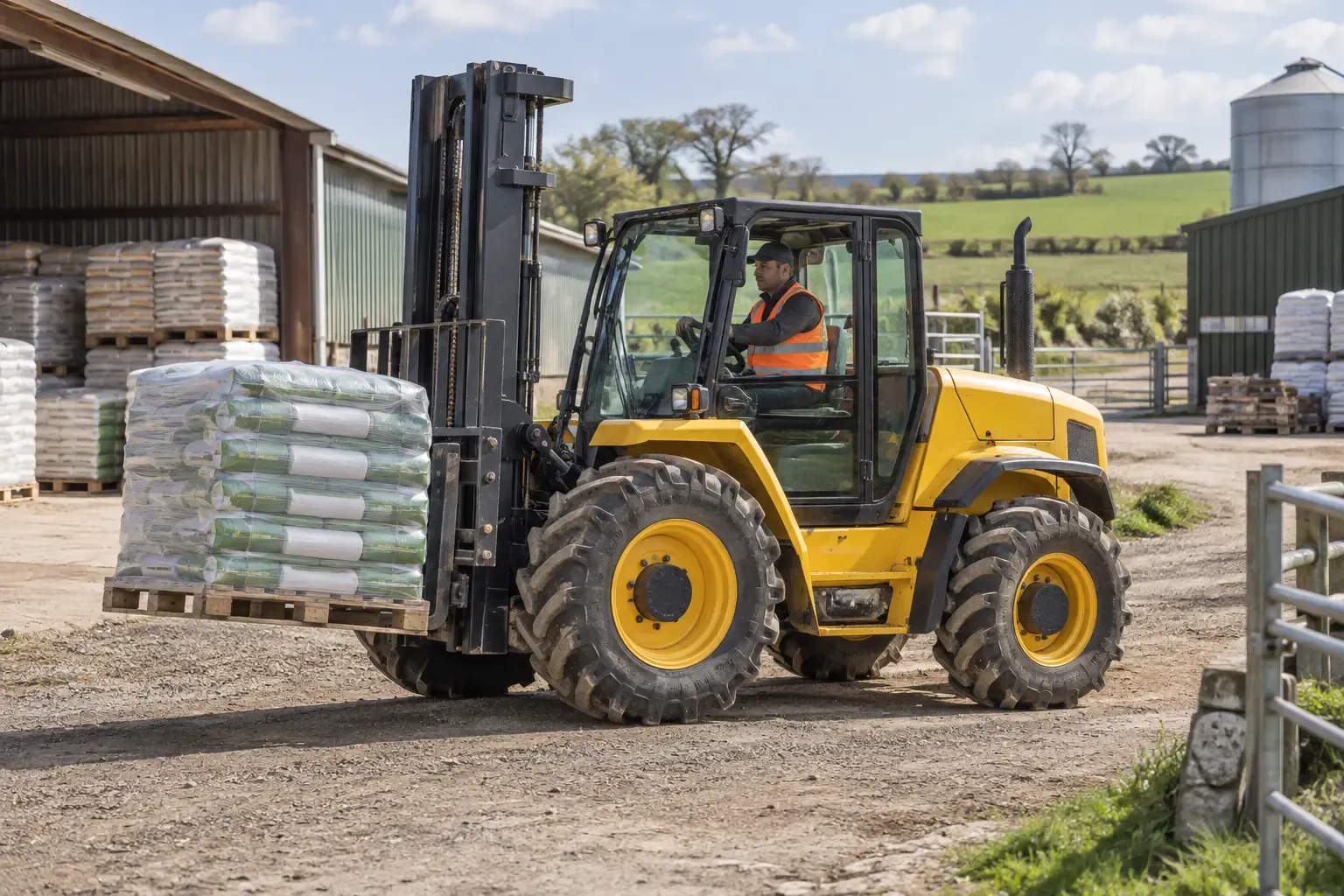
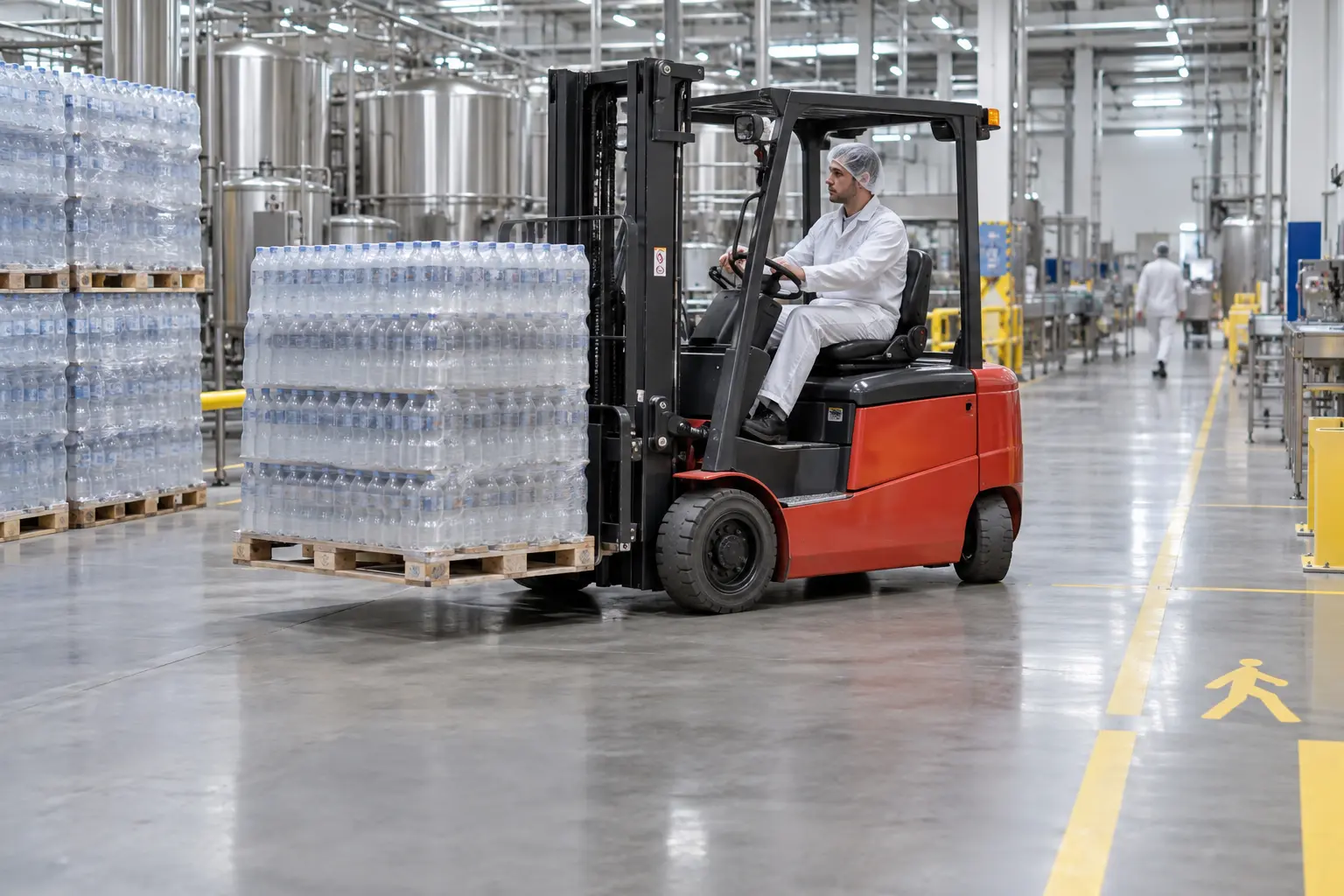
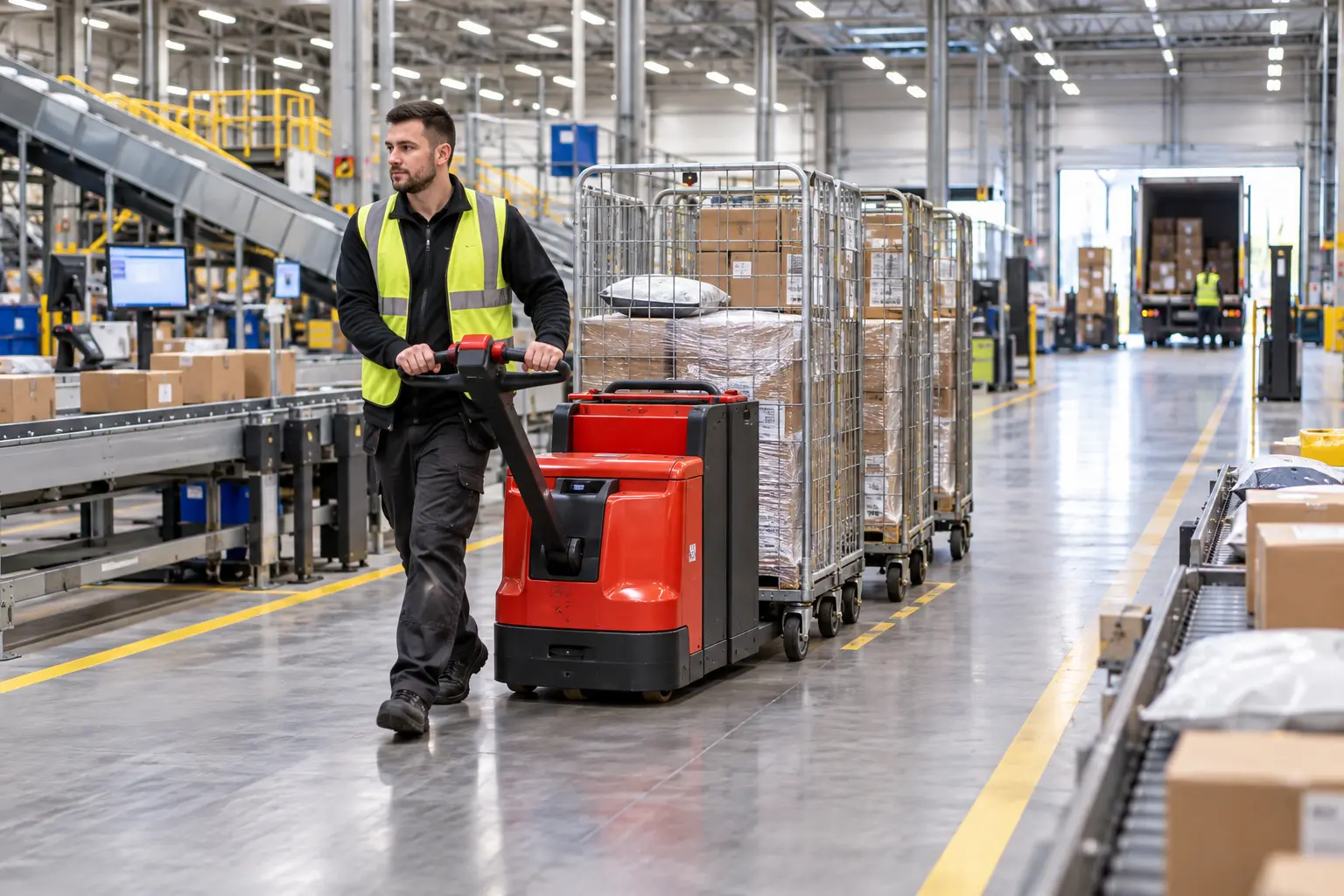
Illustrative ZJ application visual. It does not represent a verified customer site or final supplied configuration.
YOUR NEXT MOVE STARTS HERE
LET’S LIFT
YOUR AMBITION.
Tell us what you move. We’ll start with your requirements.
ZJ