06 / FIELD INDUSTRY APPLICATION
Leave the flat floor.
Keep loads controlled.
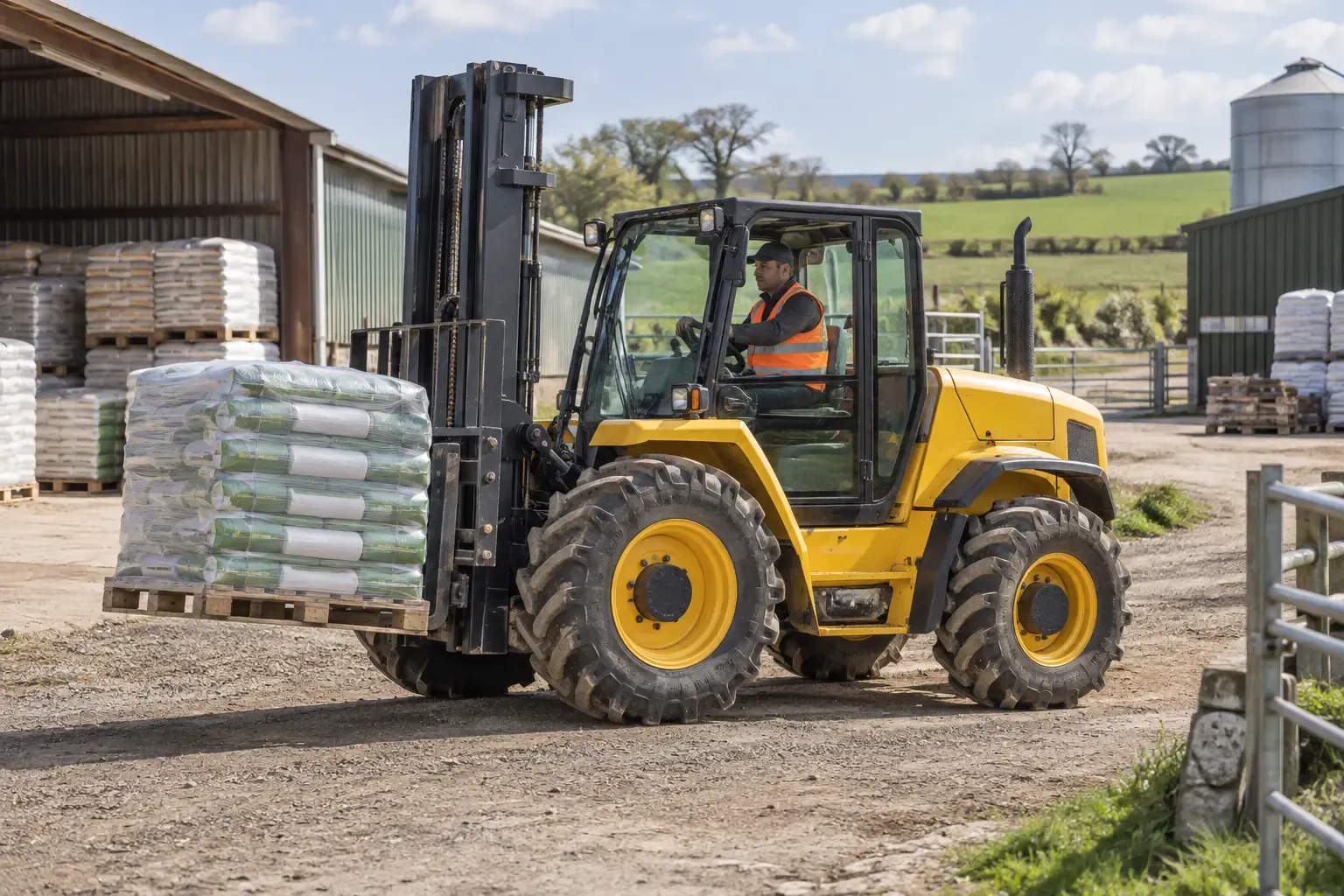
Agricultural logistics can move between sheds, yards and uneven outdoor routes. Terrain, seasonal ground conditions and load stability can matter as much as nominal capacity.
01 / OPERATING FLOW
Follow the load.
Find the real constraint.
Break the application into four connected stages. The most demanding stage should guide the first shortlist.
Store pickup
Check bag, crate or pallet condition and secure the load before travel.
Yard route
Document loose gravel, mud, ruts, cross slopes, gradients and drainage.
Field interface
Define where firm operating ground ends and seasonal access changes.
Transport
Confirm machine dimensions, weight, tie-down points and delivery access.
02 / APPLICATION CHECKS
Four details
to verify early.
These checks turn a broad industry label into a site-specific equipment brief.
Terrain survey
Send photos or video from the worst expected season, not only dry conditions.
Ground clearance
Compare underbody and mast clearance with ruts, crowns and transitions.
Load security
Describe flexible bags, bins or crates and how they will be restrained.
Tyre direction
Review traction, flotation, puncture risk and transport width together.
03 / EQUIPMENT DIRECTIONS
Build a shortlist
around the task.
These series are starting points, not automatic recommendations. Confirm the actual model and configuration against your load and route.
RT Series
All-wheel-drive directions for assessed uneven outdoor material routes.
D Series
Counterbalance work on suitable farm yards and ventilated loading areas.
E Series
Indoor stores and suitable hard-surface routes with a charging plan.
04 / PREPARE YOUR ENQUIRY
Six facts.
A faster first answer.
Send measurements, photos or a simple route drawing where useful. ZJ can then discuss a narrower equipment direction and the points that still need confirmation.
Send this application- load types, weights and stability
- route photos or video
- maximum gradient and cross slope
- surface in wet and dry seasons
- lift height and attachment
- delivery access, destination and quantity
05 / PRACTICAL ANSWERS
Questions from
this application.
What is the difference between a yard forklift and a rough-terrain forklift?
Rough-terrain equipment is directed toward assessed uneven outdoor routes with different clearance and traction needs. The actual surface, gradients, load and stability requirements determine suitability.
Can a forklift move bagged farm products?
Yes when the pallet or load is stable, secured and within the confirmed capacity at the actual load centre and height. Damaged pallets or shifting bags need separate controls.
Why are seasonal route photos useful?
A dry route may not represent mud, drainage, ruts or soft edges during the working season. Images and measurements help define the worst expected operating condition.
What transport information is needed?
Share delivery-road access, unloading method, machine size limits, destination and whether the forklift must regularly travel on a trailer.
06 / RELATED INDUSTRIES
View all applications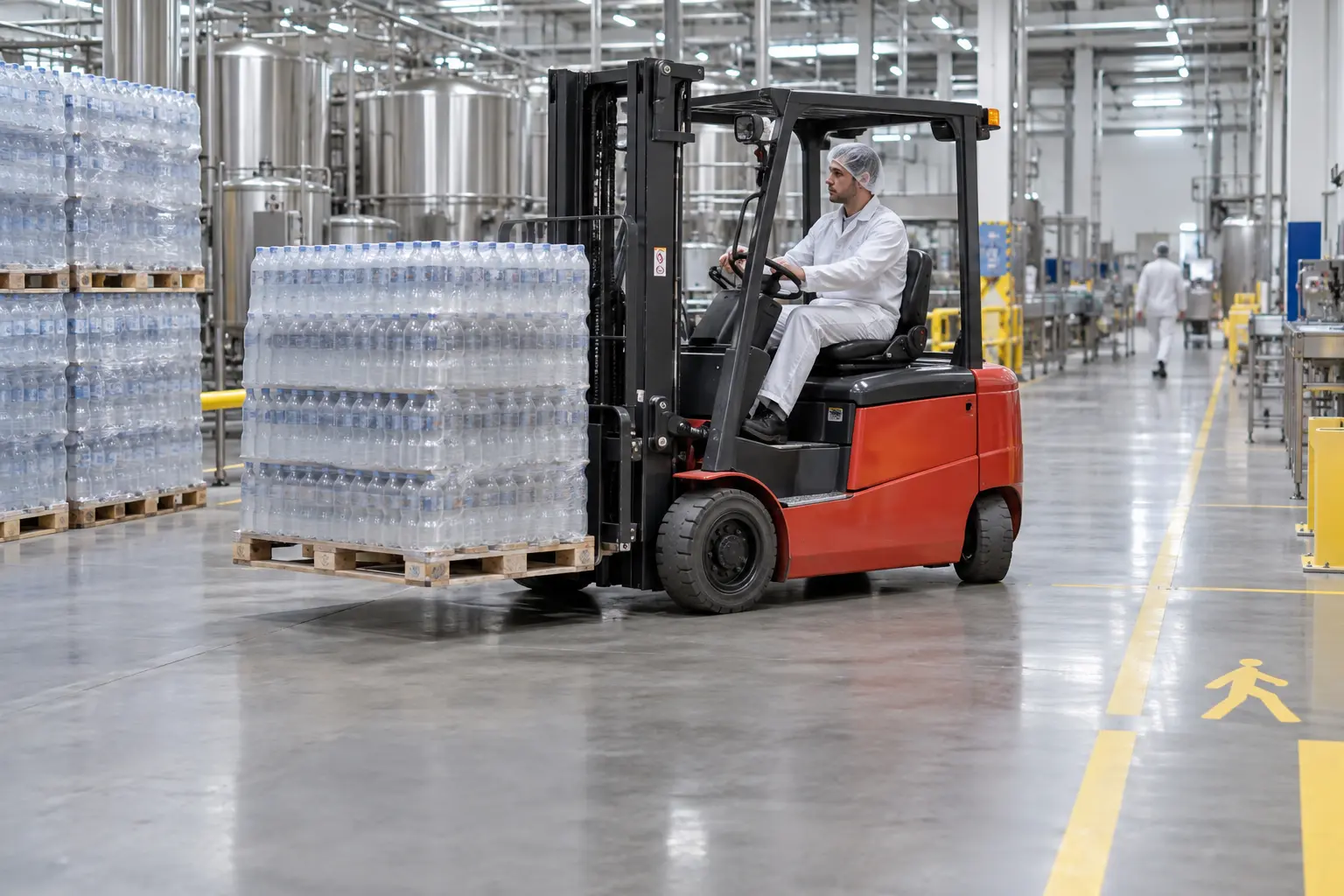
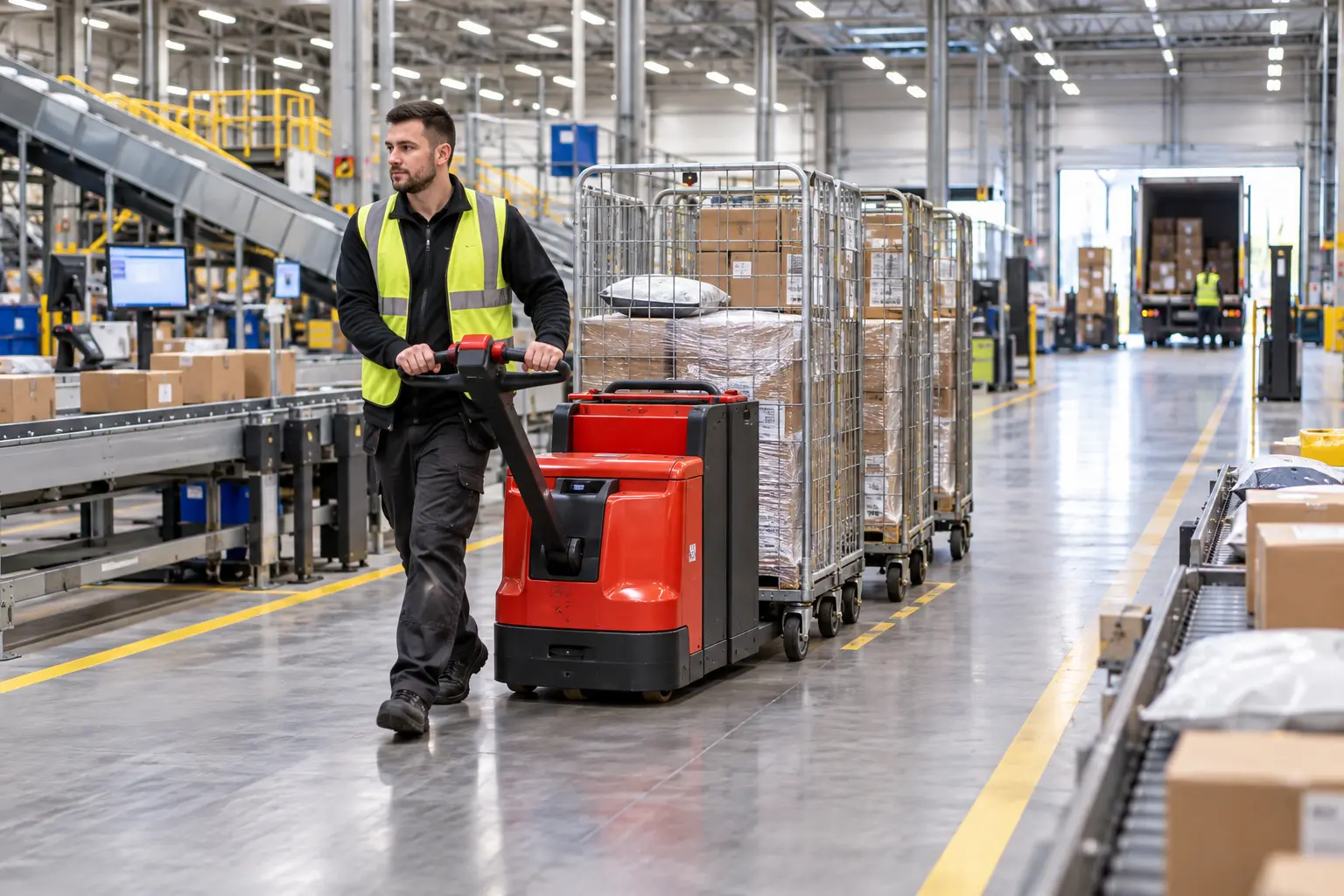

Illustrative ZJ application visual. It does not represent a verified customer site or final supplied configuration.
YOUR NEXT MOVE STARTS HERE
LET’S LIFT
YOUR AMBITION.
Tell us what you move. We’ll start with your requirements.
ZJ