08 / SPEED INDUSTRY APPLICATION
Handle the peak.
Simplify the route.
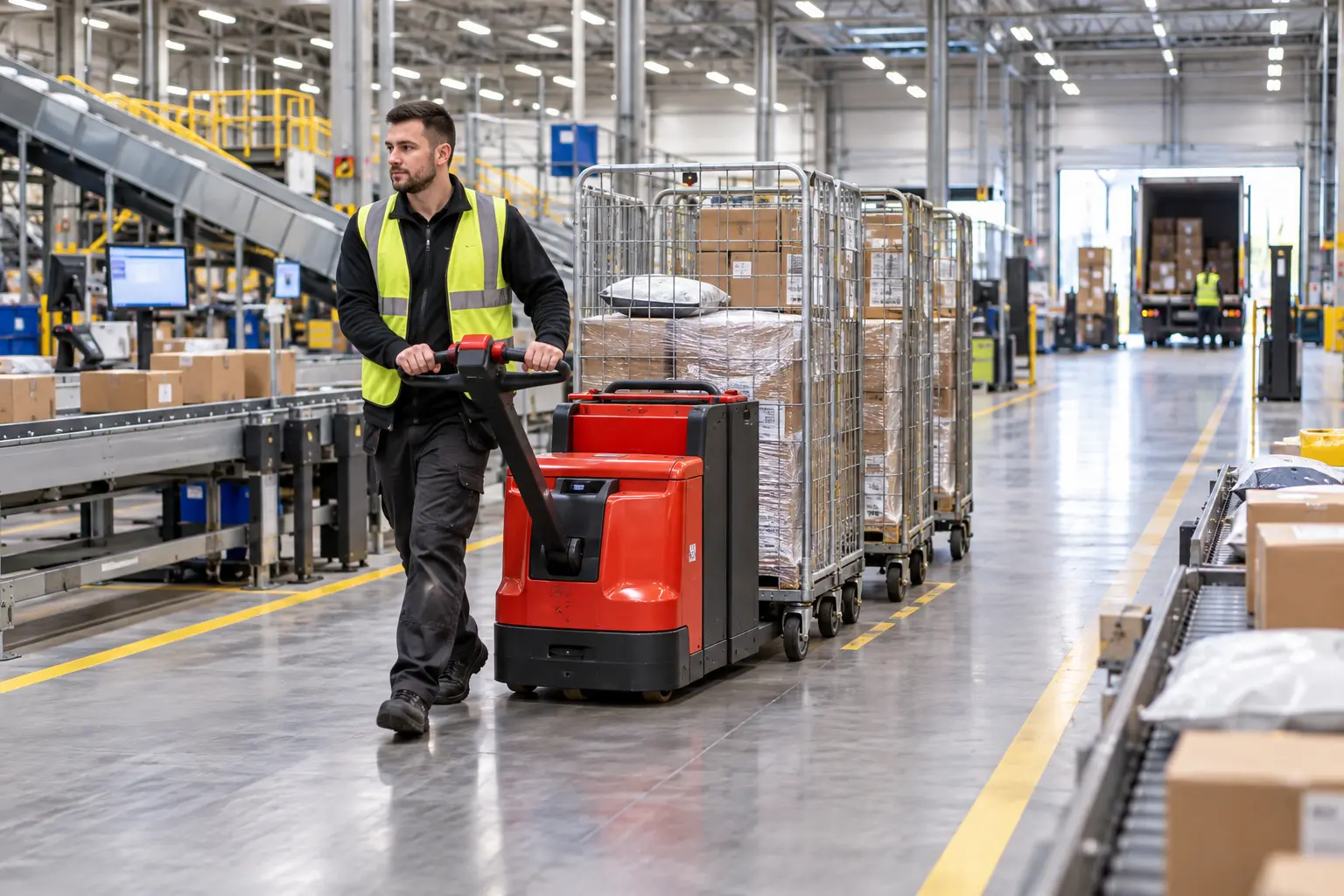
Fulfilment centres mix steady replenishment with sharp outbound peaks. Separate pallet movement from carton handling, then size the material-handling fleet around the busiest repeatable flow.
01 / OPERATING FLOW
Follow the load.
Find the real constraint.
Break the application into four connected stages. The most demanding stage should guide the first shortlist.
Inbound receiving
Measure unload peaks, pallet variety, inspection and buffer space.
Reserve storage
Plan vertical placement, replenishment height and aisle interaction.
Pick support
Define pallet drops, empty-pallet return and traffic beside people and conveyors.
Outbound dispatch
Size routes and charging around order cut-off and carrier collection windows.
02 / APPLICATION CHECKS
Four details
to verify early.
These checks turn a broad industry label into a site-specific equipment brief.
Peak profile
Share hourly pallet moves before and after order cut-off, not only daily totals.
Route length
Measure complete loops, empty return travel, gradients and dock transitions.
Pallet variety
Record the smallest and largest pallets, entry direction and damaged-load routine.
Fleet mix
Assign travel, stacking and counterbalance work before deciding machine quantities.
03 / EQUIPMENT DIRECTIONS
Build a shortlist
around the task.
These series are starting points, not automatic recommendations. Confirm the actual model and configuration against your load and route.
P Series
High-frequency horizontal movement between inbound, reserve and dispatch.
S Series
Reserve storage and replenishment in suitable rack and aisle layouts.
E Series
Counterbalance support for trailers, docks and general pallet handling.
04 / PREPARE YOUR ENQUIRY
Six facts.
A faster first answer.
Send measurements, photos or a simple route drawing where useful. ZJ can then discuss a narrower equipment direction and the points that still need confirmation.
Send this application- hourly and daily pallet peaks
- route distance and floor plan
- pallet sizes and weights
- rack and dock heights
- shifts and charging windows
- growth plan, destination and quantity
05 / PRACTICAL ANSWERS
Questions from
this application.
Which equipment suits e-commerce fulfilment?
Pallet trucks often support horizontal transfer, stackers support suitable reserve-storage tasks, and counterbalance forklifts support loading and general movement. The final mix follows the measured flow.
Why use peak-hour data instead of daily averages?
Daily averages can hide short periods of intense receiving or dispatch activity. Peak moves, route time and charging windows help estimate practical equipment demand.
How can equipment reduce fulfilment congestion?
Assign clear routes and tasks, separate people and trucks, limit temporary staging, and match equipment dimensions and speed to the real traffic plan.
What growth information should be included?
Share current and expected pallet volume, peak windows, proposed rack or dock changes, shifts and the time horizon for expansion.
06 / RELATED INDUSTRIES
View all applications
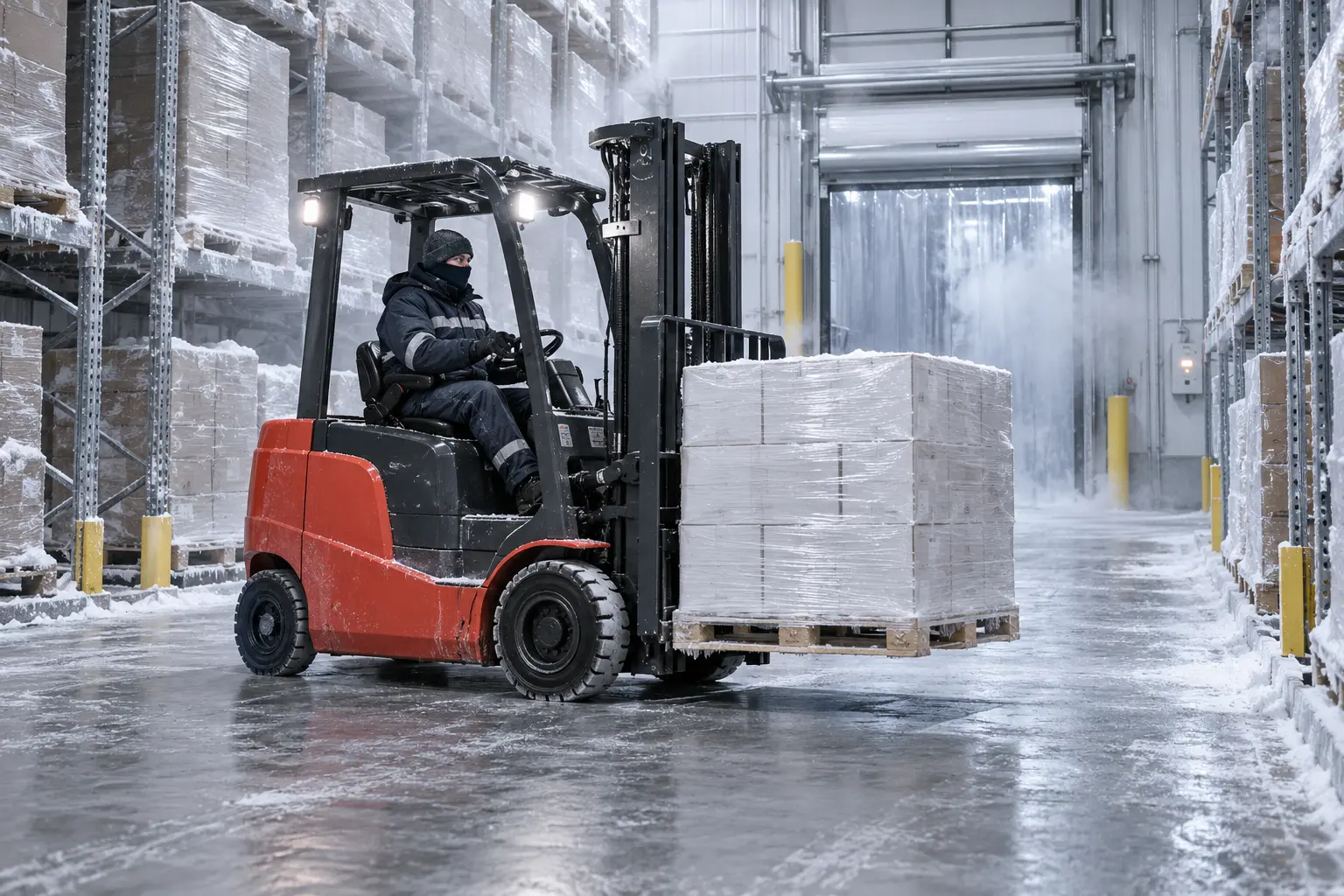

Illustrative ZJ application visual. It does not represent a verified customer site or final supplied configuration.
YOUR NEXT MOVE STARTS HERE
LET’S LIFT
YOUR AMBITION.
Tell us what you move. We’ll start with your requirements.
ZJ