03 / MAKE INDUSTRY APPLICATION
Feed the line.
Keep space controlled.
Manufacturing handling connects receiving, stores, work cells and finished-goods dispatch. The right equipment plan supports material flow without creating congestion beside people and production assets.

01 / OPERATING FLOW
Follow the load.
Find the real constraint.
Break the application into four connected stages. The most demanding stage should guide the first shortlist.
Inbound stores
Identify load formats, receiving peaks and storage locations for raw material.
Line supply
Map delivery frequency, container exchange, turning zones and pedestrian interfaces.
Work in process
Check unusual loads, attachments, visibility and controlled temporary staging.
Finished goods
Plan palletisation, dispatch lanes, loading equipment and peak outbound demand.
02 / APPLICATION CHECKS
Four details
to verify early.
These checks turn a broad industry label into a site-specific equipment brief.
Load diversity
List pallets, stillages, bins, coils or long loads and how each is engaged.
Line-side space
Measure machine clearance with the real load at the tightest production point.
Timing
Share delivery frequency, production peaks and allowable charging or service windows.
Attachment need
Describe the handling task first; attachment weight and load centre affect capacity.
03 / EQUIPMENT DIRECTIONS
Build a shortlist
around the task.
These series are starting points, not automatic recommendations. Confirm the actual model and configuration against your load and route.
04 / PREPARE YOUR ENQUIRY
Six facts.
A faster first answer.
Send measurements, photos or a simple route drawing where useful. ZJ can then discuss a narrower equipment direction and the points that still need confirmation.
Send this application- all load formats and maximum weights
- pickup and set-down heights
- line-side clearances
- moves per hour and shifts
- attachment requirements
- floor plan, destination and quantity
05 / PRACTICAL ANSWERS
Questions from
this application.
How do I choose a forklift for a production line?
Map each load from pickup to placement, then record its frequency, weight, load centre, clearances and interaction with people. Use that route data to compare equipment types.
When is an attachment needed?
An attachment may help with loads that are not handled on standard pallets. Its weight, thickness and geometry change the load moment, so residual capacity must be confirmed.
Is electric equipment suitable for manufacturing?
It can be relevant to many indoor production flows when load, route, shift pattern, charging infrastructure and the exact model configuration are suitable.
What production data helps ZJ recommend a model?
Send a route sketch, load formats, maximum weight, handling frequency, lift height, clearances, shifts, attachments, destination and quantity.
06 / RELATED INDUSTRIES
View all applications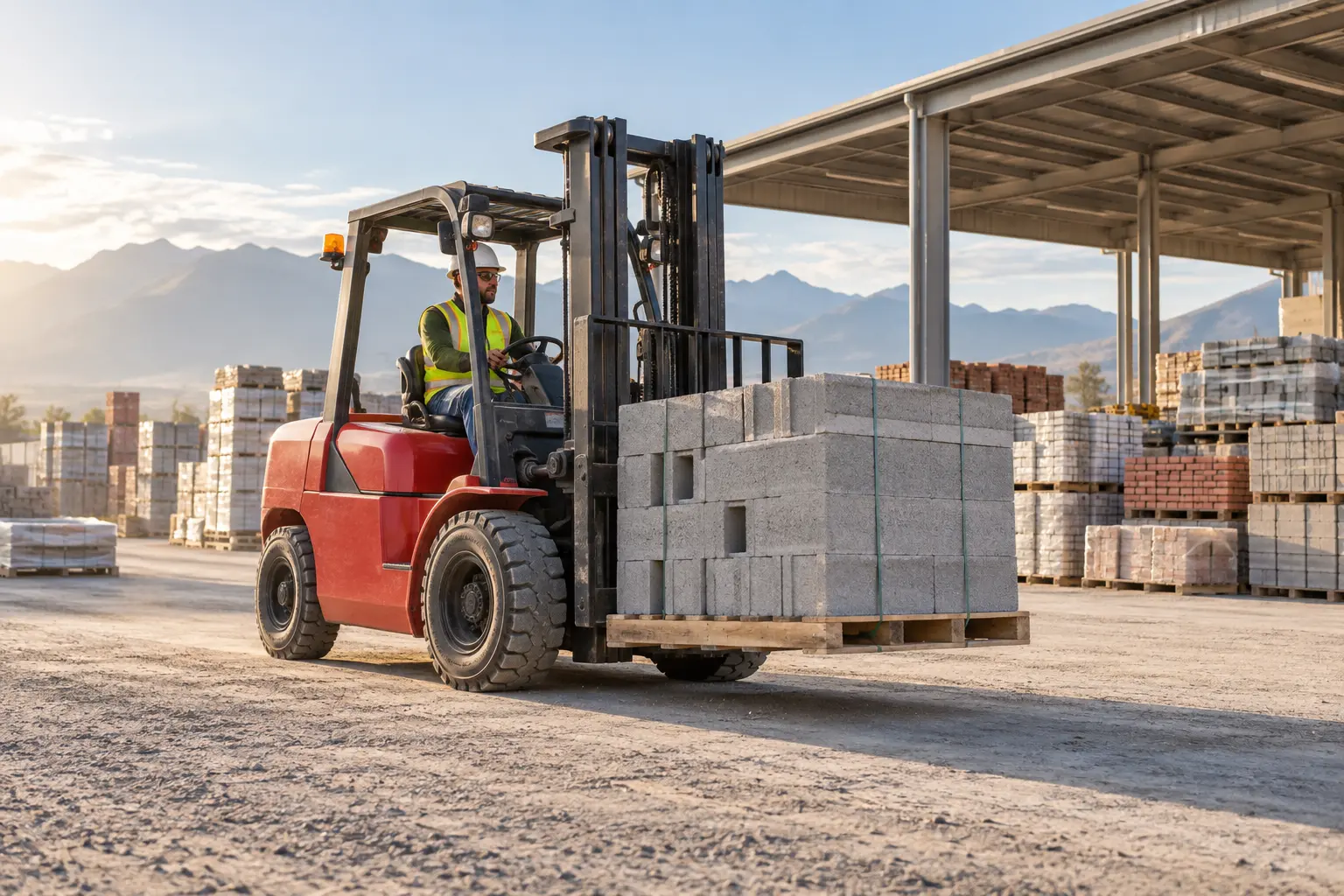

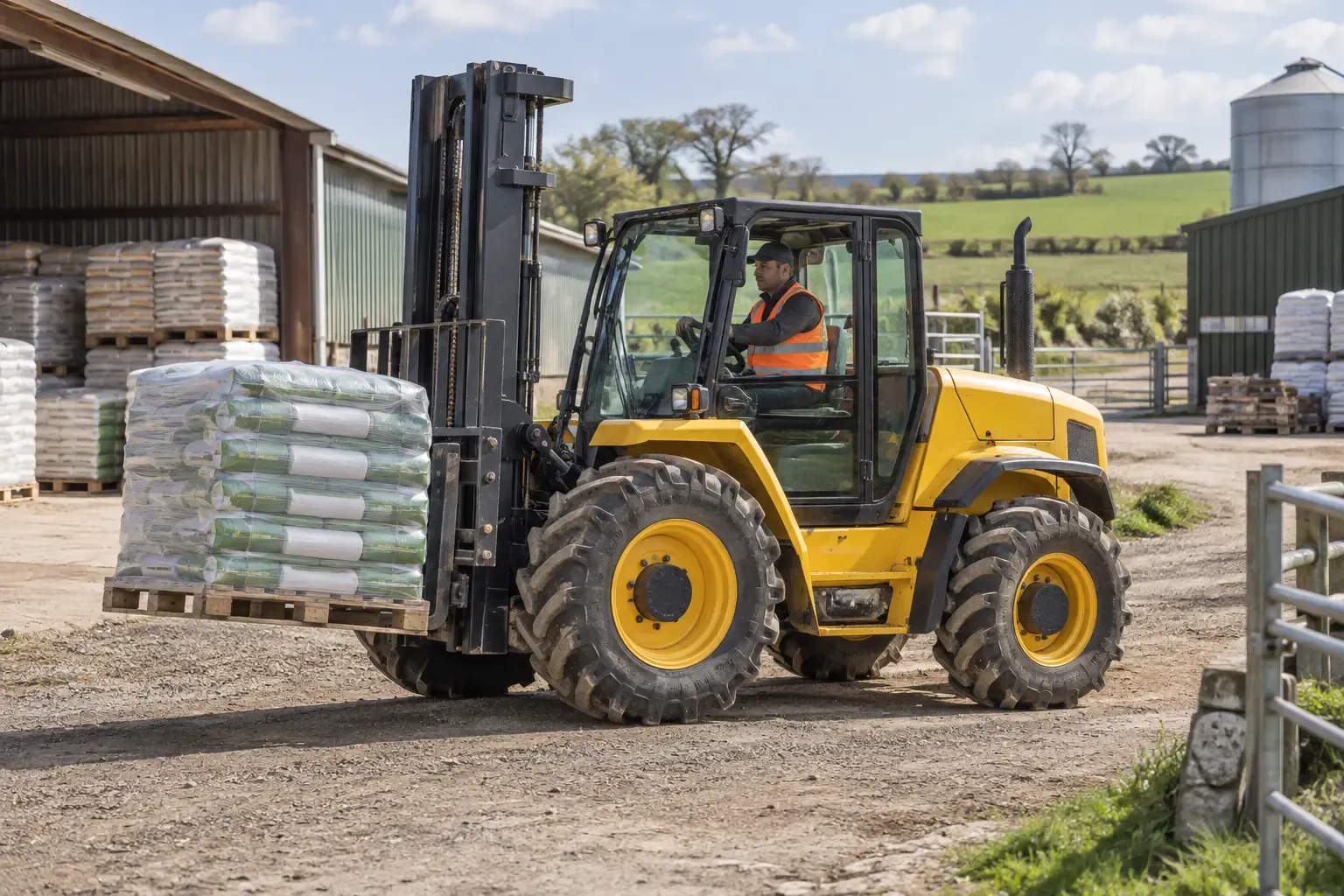
Illustrative ZJ application visual. It does not represent a verified customer site or final supplied configuration.
YOUR NEXT MOVE STARTS HERE
LET’S LIFT
YOUR AMBITION.
Tell us what you move. We’ll start with your requirements.
ZJ